
Recent research suggests that orthotics may play a meaningful role in reducing stress on the Achilles tendon and lowering injury risk.
A study led by Dr. Jonathan Sinclair of the University of Central Lancashire examined the relationship between Achilles tendon strain and orthotic use. The study followed 12 male participants who ran across a pressure-sensitive mat that measured foot motion and force distribution. Researchers found that participants wearing orthotics experienced reduced mechanical stress on the Achilles tendon, suggesting a potential protective benefit.
According to Dr. Sinclair, this reduction in strain likely occurs because orthotics provide additional cushioning and improved force distribution, supplementing the shoe’s midsole and easing pressure on the tendon during repetitive motion.
The Achilles tendon plays a critical role in walking, running, and jumping. Because it bears significant load with every step, it is particularly vulnerable to overuse and biomechanical stress. When injured, even simple daily activities can become painful or impossible.
If you are experiencing heel or ankle pain, early evaluation is key. Edward Lang, DPM, and the team at New Orleans Podiatry specialize in diagnosing and treating Achilles tendon conditions using both conservative and advanced treatment options.
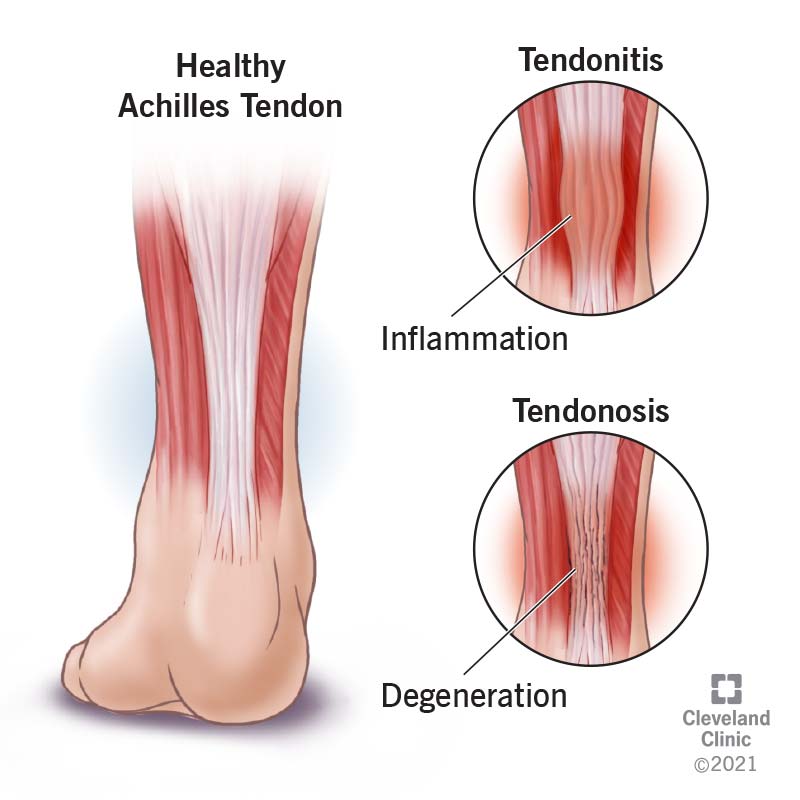
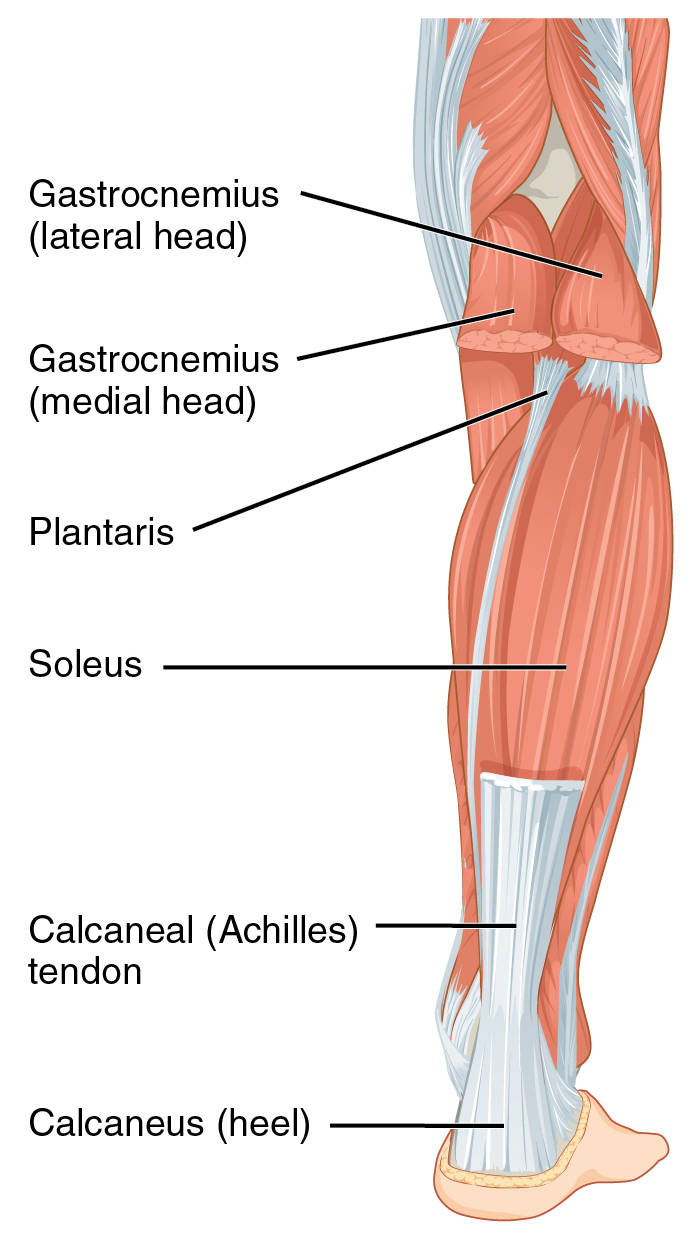
The Achilles tendon connects the calf muscles (gastrocnemius and soleus) to the heel bone (calcaneus). It is the strongest tendon in the human body, yet also one of the most commonly injured—particularly in runners, athletes, and active adults.
Because of its essential role in movement, any injury to the Achilles tendon should be evaluated promptly to prevent progression or rupture.
A degenerative or inflammatory condition caused by repetitive strain.
Common symptoms include:
A more severe injury involving partial or complete tearing of the tendon.
Symptoms may include:
Achilles tendon injuries are diagnosed through a comprehensive physical examination, often supported by advanced imaging such as MRI or ultrasound when needed.
Treatment may include:
Preventive strategies—such as proper footwear, biomechanical correction, and early intervention—can significantly reduce the risk of long-term damage.
If you are experiencing heel, ankle, or calf pain, the team at New Orleans Podiatry offers state-of-the-art diagnostic tools and personalized treatment plans tailored to your activity level and goals.
Early care can make the difference between a temporary setback and a long-term injury.
For more information about Achilles tendon injuries or to schedule an evaluation, contact one of our offices in New Orleans or Metairie, Louisiana.
New Orleans Podiatry is located in Uptown New Orleans, in the Freret Corridor, at 2626 Jena Street, New Orleans, LA 70115.
Text: (504) 897-3627 | 7:00 AM – 9:00 PM
Call: <!phonelink!> | 7:00 AM – 5:00 PM


Call Us: (504) 897-3627
Text Us: (504) 897-3627
Mon-Thurs: 7:00 AM – 5:00 PM
Fri: 7:00 AM - 12 PM (phones on until 5 PM, texting is provided after hours until 9pm)