

Plantar Fasciitis & Heel Pain Treatment in New Orleans

Plantar fasciitis is one of the most frequent—and most frustrating—causes of heel pain we see at our clinic. This condition arises when the plantar fascia, the thick band of connective tissue linking the heel to the toes, becomes strained, irritated, or inflamed.
At New Orleans Podiatry, your experience begins with a thorough clinical evaluation and same-day diagnostic imaging to identify the root cause of your discomfort.
Under the expert care of Dr. Edward Lang, we craft a personalized treatment plan tailored to your lifestyle and goals. From targeted stretching and precision-guided therapies to state-of-the-art regenerative treatments designed to restore and protect tissue health, our approach focuses on creating lasting relief—and getting you back to the activities you love, comfortably and confidently.
Plantar fasciitis is one of the most common causes of heel pain treated at New Orleans Podiatry. The condition occurs when the plantar fascia, a thick band of connective tissue that runs along the bottom of the foot from the heel bone (calcaneus) to the base of the toes, becomes irritated or inflamed. Because the plantar fascia supports the arch and helps absorb impact during walking, standing, and running, excessive strain on this structure can lead to significant heel pain and stiffness.
Plantar fasciitis typically develops when the plantar fascia is repeatedly overloaded due to factors such as tight calf muscles, prolonged standing, poor footwear, abnormal foot mechanics, or sudden increases in activity. Over time, small microscopic tears may develop in the tissue, leading to inflammation and the sharp heel pain many patients feel with their first steps in the morning.
At New Orleans Podiatry, evaluation focuses on identifying the underlying cause of plantar fasciitis so treatment can relieve heel pain, restore normal foot function, and help prevent symptoms from returning.
Causes of Plantar Fasciitis
Symptoms of Plantar Fasciitis
Mild heel pain from plantar fasciitis sometimes improves with rest, stretching, and supportive footwear. However, persistent heel pain should be evaluated by a foot and ankle specialist to prevent the condition from becoming chronic.
You should consider scheduling an evaluation when heel pain lasts longer than two weeks despite rest and home treatment, pain is severe with your first steps in the morning, heel pain worsens with walking, standing, or exercise, you notice swelling, numbness, or changes in how you walk,or when symptoms interfere with work, daily activity, or exercise.
At New Orleans Podiatry, early diagnosis allows treatment to begin before inflammation progresses to chronic tissue damage.
With advanced diagnostic imaging and targeted treatment options available in-office, many patients are able to begin therapy the same day their condition is diagnosed.
Although plantar fasciitis is one of the most common causes of heel pain, it is not the only condition that can produce similar symptoms. Pain in the heel can also result from Achilles tendon disorders, nerve irritation such as Baxter’s nerve entrapment, stress fractures, fat pad atrophy, or inflammatory conditions affecting the joints and soft tissues of the foot.
Because these conditions can produce pain in the same region of the foot, an accurate diagnosis is essential before beginning treatment. Treating heel pain as plantar fasciitis when another condition is present can delay recovery and prolong symptoms.
At New Orleans Podiatry, evaluation begins with a detailed clinical examination and, when necessary, diagnostic imaging such as ultrasound or X-ray to identify the true source of heel pain.
To learn more about other causes of heel pain and how they are treated, visit our Heel Pain resource page.

Treatment for plantar fasciitis depends on the severity and duration of symptoms. For acute plantar fasciitis, care often begins with targeted plantar fascia stretching, night splints, and supportive footwear to reduce tension on the heel and allow the tissue to heal.
For persistent or recalcitrant plantar fasciitis, advanced therapies may be recommended. These can include extracorporeal shockwave therapy, which stimulates healing within the plantar fascia, or regenerative treatments designed to support damaged tissue and reduce chronic inflammation.
Many patients also benefit from custom orthotics, which redistribute pressure away from the heel and improve foot mechanics.
If conservative treatment is not sufficient, minimally invasive surgical techniques such as the Endoscopic Plantar Fasciotomy (EPF)* tendon release may be considered. Dr. Edward Lang performs advanced procedures designed to relieve tension on the plantar fascia while minimizing recovery time.
Because diagnostic imaging, treatment planning, and scheduling are coordinated in-house at New Orleans Podiatry, many patients are able to begin treatment the same day their diagnosis is confirmed.

SURGICAL OPTION
Endoscopic Plantar Fasciotomy (EPF)
is a minimally invasive surgical (MIS) option for chronic plantar fasciitis that hasn’t responded to conservative treatment.
The procedure releases the proximal medial portion of the fascia using endoscopic guidance, allowing for precise visualization and minimal tissue disruption.
Recovery is typically fast, with most patients returning to shoes within 48 hours. EPF has a reported success rate of approximately 90%.*

Treatment for plantar fasciitis is designed to relieve heel pain, restore proper foot mechanics, and address the underlying strain affecting the plantar fascia.
Common symptoms and conditions that may benefit from treatment include:
Early evaluation allows us to identify the source of heel pain and begin treatment before symptoms become chronic or begin affecting your walking pattern.

You may be a candidate for plantar fasciitis treatment at New Orleans Podiatry if you experience persistent heel or arch pain that has not improved with rest, supportive footwear, stretching, or over-the-counter orthotics.
Many patients come to us after months—or even years—of ongoing pain that interferes with walking, exercise, or daily activities.
Our approach focuses on identifying the root cause of heel pain, not simply masking symptoms.
During your evaluation, we assess foot structure, soft-tissue health, nerve involvement, inflammation, and contributing factors such as activity level, prior injury, and overall health.
Patients with chronic plantar fasciitis, heel spurs, recurrent heel pain, or symptoms that return after injections or physical therapy often benefit from our advanced diagnostic and treatment options. These may include high-resolution ultrasound evaluation, regenerative therapies, shockwave therapy, custom orthotic strategies, functional medicine, and long-term prevention planning.
The first step is a comprehensive evaluation to determine why your heel pain is occurring and which treatment approach will provide the most effective and lasting relief.
TEXT US BELOW TO SCHEDULE YOUR APPOINTMENT TODAY.

Plantar Fasciitis Treatment Results
Many patients begin to notice meaningful heel pain relief within weeks of starting treatment, with continued improvement as the plantar fascia heals and inflammation subsides.
Regenerative therapies can provide long-lasting results when combined with supportive footwear, custom orthotics, and targeted stretching programs designed to reduce strain on the plantar fascia.
When surgery is necessary, modern minimally invasive techniques are designed to provide durable, long-term correction, especially when paired with preventive care and proper foot support to maintain healthy foot mechanics.

Why Choose New Orleans Podiatry for Plantar Fasciitis?
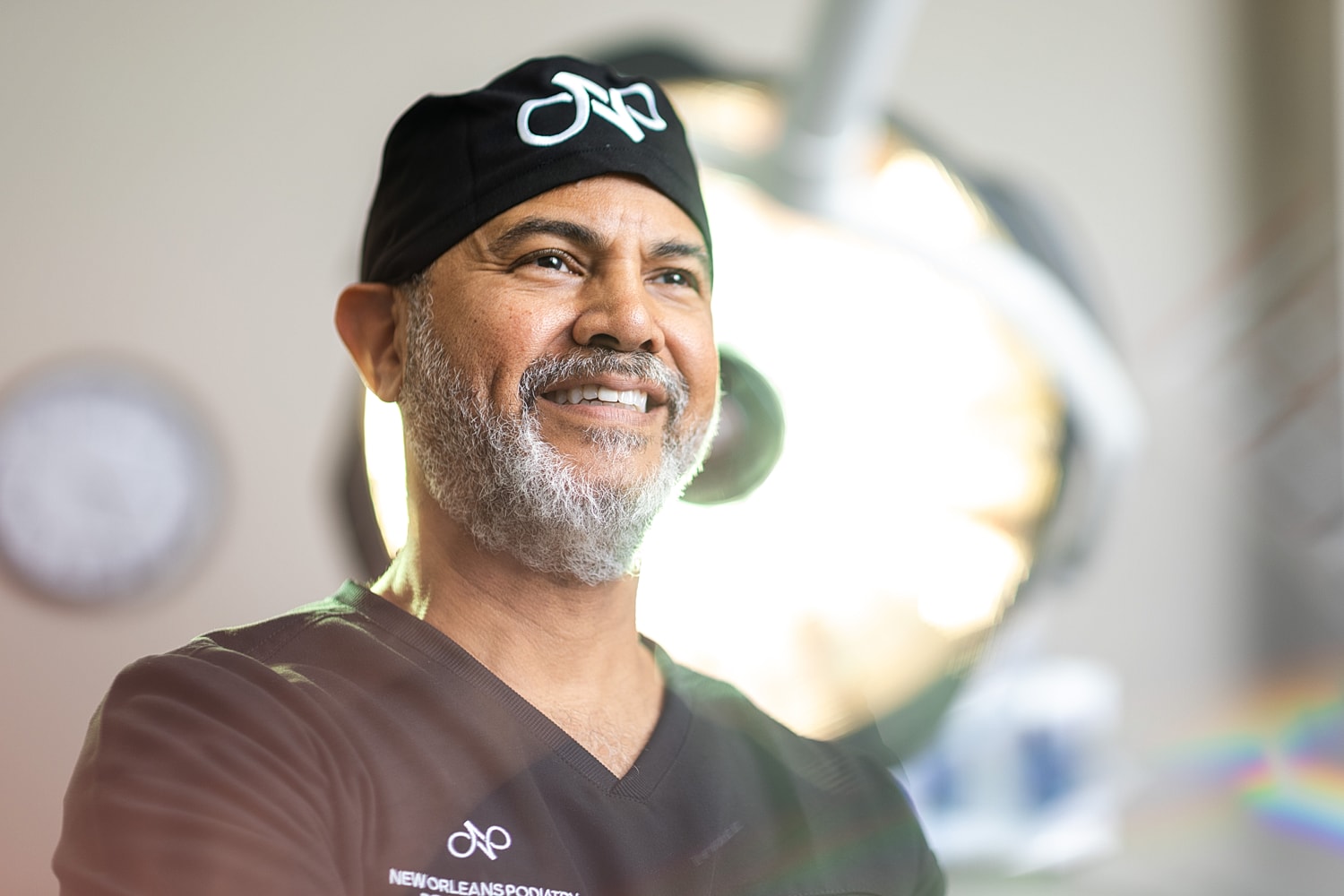
At New Orleans Podiatry, patients receive a prompt, comprehensive evaluation from Dr. Edward Lang, a board-certified foot surgeon with more than 30 years of experience in diagnosing and treating heel pain and plantar fasciitis.
Our concierge-style practice allows patients to receive same-day evaluation and treatment whenever possible, with on-site diagnostic imaging, custom orthotics, and advanced therapies available under one roof. This streamlined approach allows treatment to begin quickly while reducing delays that often prolong heel pain.
Patients also benefit from direct communication with their physician, ensuring questions can be addressed and treatment plans adjusted as recovery progresses.
If you are experiencing persistent heel pain or plantar fasciitis symptoms, contact New Orleans Podiatry to schedule your evaluation and begin treatment.
Most cases stem from repetitive strain, poor footwear, or inflammation which place extra tension on the plantar fascia.
No. Most patients experience meaningful improvement with non-surgical treatment, which may include advanced conservative options such as shockwave therapy, regenerative and ultrasound-guided modalities, custom orthotics, and targeted rehabilitation. Surgery is considered only when appropriate and typically reserved for cases that do not respond to comprehensive conservative care.
Yes, but preventive care—such as wearing supportive shoes and keeping inflammation under control—greatly reduces recurrence.
Some patients notice improvement within days of starting treatment; regenerative therapies may take several weeks for full effect.
Many treatments are covered, but regenerative therapies and orthotics may be out-of-pocket. We offer competitive self-pay rates and financing.


Call Us: (504) 897-3627
Text Us: (504) 897-3627
Mon-Thurs: 7:00 AM – 5:00 PM
Fri: 7:00 AM - 12 PM (phones on until 5 PM, texting is provided after hours until 9pm)
